Our catalog, arranged by botanical names, contains descriptions and cultural information about each of the 2000+ varieties that we grow. This information is based on our experience in growing these plants (in Zone 7), as well as the experiences of our customers. Sandy personally trials many of our selections in her display gardens. When we add a new variety, we provide the best information that we can find on that plant at the time. In addition to individual entries we also provide quick reference lists of plants for particular conditions or purposes, such as clay soil, long bloomtime, groundcovers, coastal sites, deer resistance, etc. Because we grow a large number of Hostas and daylilies we have quick reference charts to help you choose the size, color or other characteristics of these plants. You can access these lists and charts by clicking on the Plant Solutions tab above.
We also produce a yearly print catalog that is available by mail. (If you are a current wholesale customer, you will automatically receive one when they are published.) Although the print catalog does not contain photos, it is a valuable reference for anyone growing perennial plants in this area. The catalog is $4.00 if purchased at the nursery. We will be happy to mail a copy for $6.00 (includes postage), select Contact Us.
The catalog below will allow you to create a Shopping List of the plants you are interested in purchasing. You will be able to print this list to take with you to your local garden center or to our nursery.
|
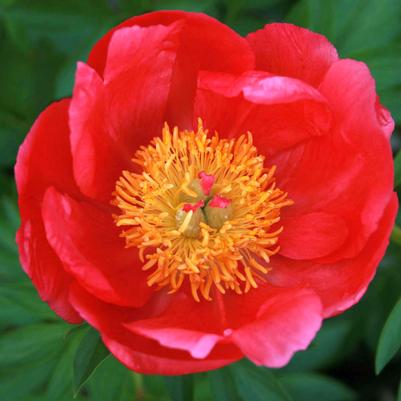
Common Name: Peony
Single bright red flowers surround yellow stamens. Early. Blooms best in full sun but will tolerate afternoon shade. Prefers a deep, well-drained, fertile, slightly alkaline soil. Remove old foliage in fall to prevent disease. Attracts butterflies.
[ More Information ]
|
|
Common Name: Peony
Fragrant, single pink blooms with a yellow heart. Midseason. Blooms best in full sun but will tolerate afternoon shade. Remove old foliage in fall to prevent disease. Attractive to butterflies.
[ More Information ]
|
|
Common Name: Peony
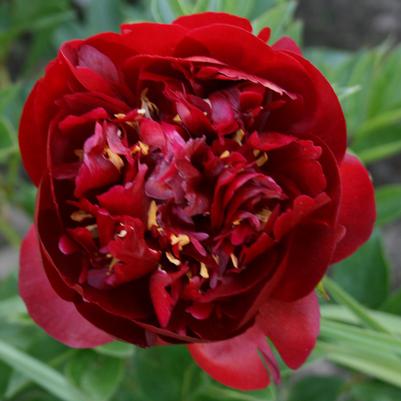
Semi-double maroon red flowers with sparkling yellow stamens. A prolific bloomer. Early.
[ More Information ]
|
|
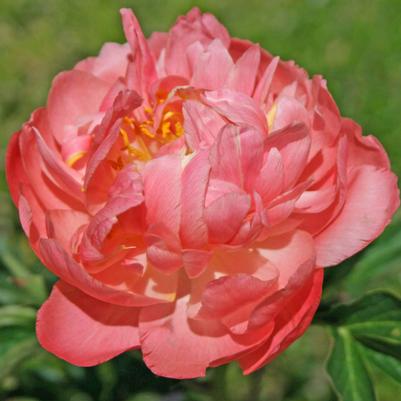
Common Name: Peony
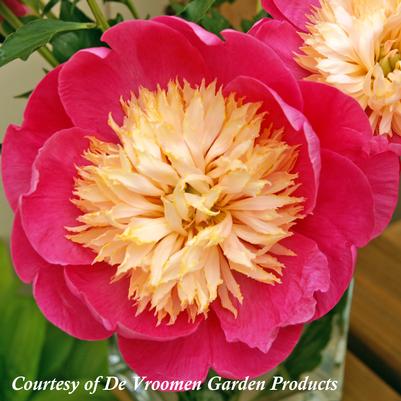
30-32. Deep glossy semi-double ruffled blooms are deep coral pink with golden yellow anthers. Lightly fragrant, vigorous with attractive foliage. Very Early. Zone 3.
[ More Information ]
|
|
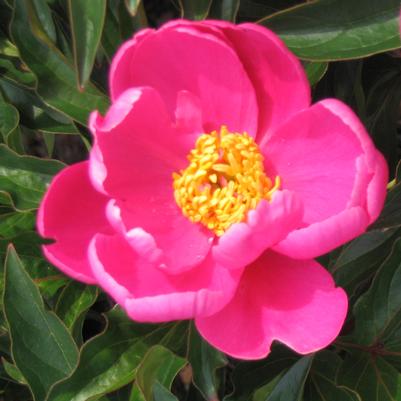
Common Name: Peony
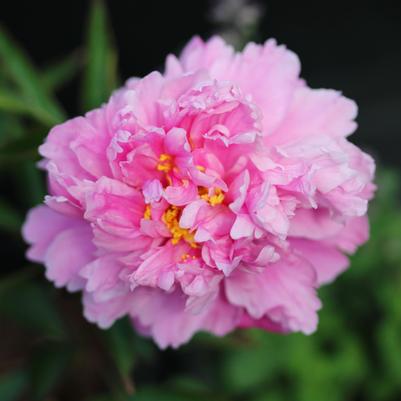
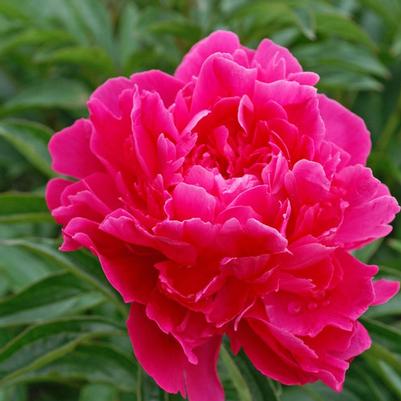
Single fuchsia-pink flowers with yellow stamens. Smaller flowers but produced in abundance. Blooms best in full sun but will tolerate afternoon shade. Prefers a deep, well-drained, fertile, slightly alkaline soil. Attractive to butterflies.
[ More Information ]
|
|
Common Name: Peony
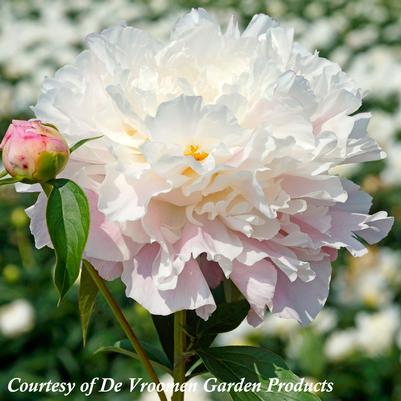
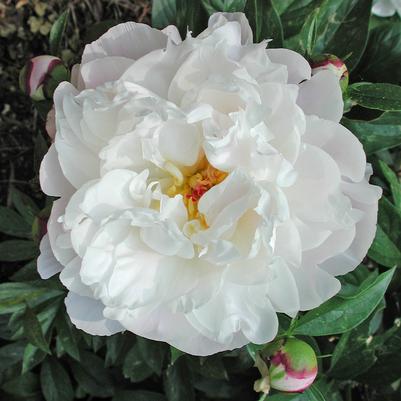
Large double white flowers. Early season. Blooms best in full sun but will tolerate afternoon shade. Prefers a deep, well-drained, fertile, slightly alkaline soil. Remove old foliage in fall to prevent disease. Attractive to butterflies.
[ More Information ]
|
|
Common Name: Peony
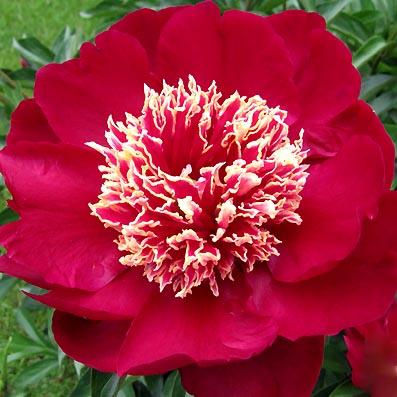
Red semi-double flowers with yellow centers. Midseason. Blooms best in full sun but will tolerate afternoon shade. Prefers a deep, well-drained, fertile, slightly alkaline soil. Remove old foliage in fall to prevent disease. Attractive to butterflies
[ More Information ]
|
|
Common Name: Peony
24-30. Large, rose-pink layered blooms with intense damask rose fragrance, robust growth and strong stems. Late.
[ More Information ]
|
|
Common Name: Peony
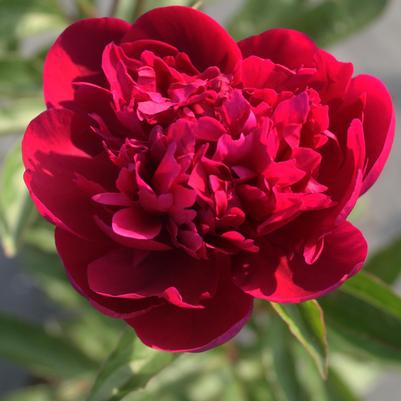
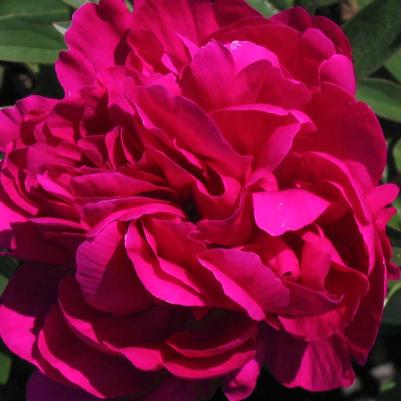
Large double crimson-red flowers. Midseason. Blooms best in full sun but will tolerate afternoon shade. Prefers a deep, well-drained, fertile, slightly alkaline soil. Remove old foliage in fall to prevent disease. Attractive to butterflies.
[ More Information ]
|
|
Common Name: Peony
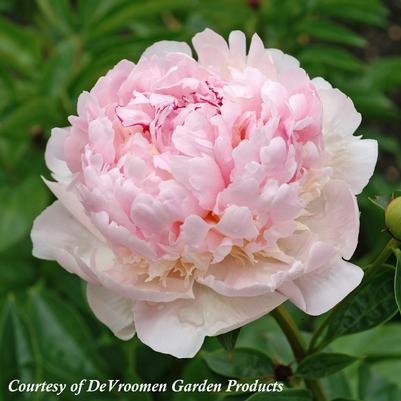
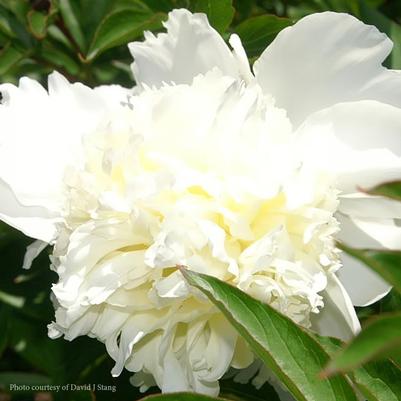
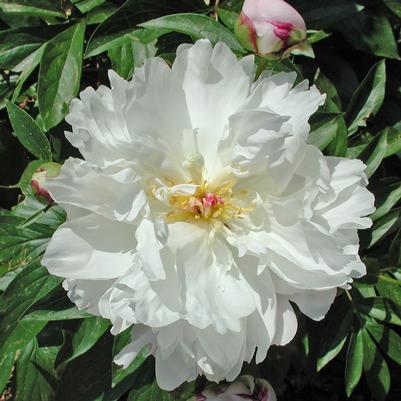
Large fragrant, double white flowers with a few red flecks. Early to Midseason. Blooms best in full sun but will tolerate afternoon shade. Remove old foliage in fall to prevent disease. Attractive to butterflies.
[ More Information ]
|
|
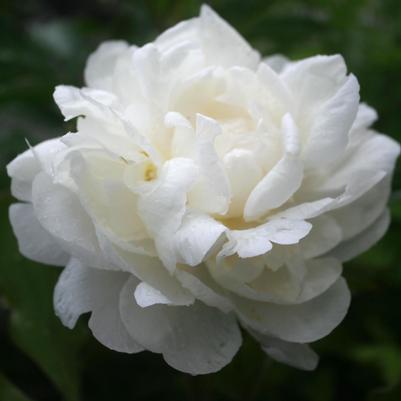
Common Name: Peony
Double pure white blooms. Midseason. Blooms best in full sun but will tolerate afternoon shade. Prefers a deep, well-drained, fertile, slightly alkaline soil. Remove old foliage in fall to prevent disease. Attractive to butterflies
[ More Information ]
|
|
Common Name: Peony
Large double carmine-red flowers on strong stems. Dependable rebloomer. Reputed to not fade in the sun. Midseason. Blooms best in full sun but will tolerate afternoon shade. Attractive to butterflies.
[ More Information ]
|
|
Common Name: Peony
Large double crimson red flowers. Midseason. Blooms best in full sun but will tolerate afternoon shade. Prefers a deep, well-drained, fertile, slightly alkaline soil. Remove old foliage in fall to prevent disease. Attractive to butterflies.
[ More Information ]
|
|
Common Name: Peony
Semi-double, fuschia pink blooms have white petal edgings and yellow stamens. Floriferous variety. Mid-season.
[ More Information ]
|
|
Common Name: Peony
Single pure white petals surround golden yellow stamens. Excellent grower in the South. Midseason. Blooms best in full sun but will tolerate afternoon shade. Attractive to butterflies. Remove old foliage in fall to prevent disease.
[ More Information ]
|
|
|
Common Name: Peony
28-34. Fragrant, double, soft pink blooms on compact but full plants. Lush dark green foliage. Mid-Late. Zones 4-8.
[ More Information ]
|
|
Common Name: Peony
Creamy white single blooms with yellow centers. Midseason. Blooms best in full sun but will tolerate afternoon shade. Remove old foliage in fall to prevent disease. Attractive to butterflies.
[ More Information ]
|
|
Common Name: Peony
18-24. Fully double, delicately fragrant China rose-pink blooms on sturdy stems. This French heritage variety is very dependable and free-flowering. Mid.
[ More Information ]
|
|
Common Name: Peony
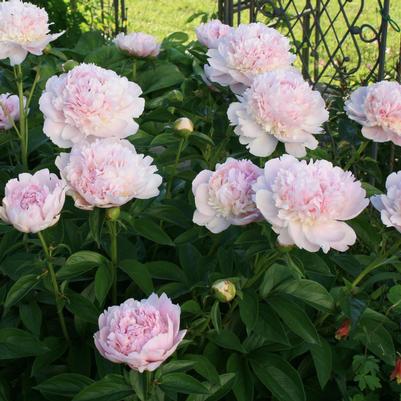
Huge double light rose-pink fragrant flowers. Midseason. Blooms best in full sun but will tolerate afternoon shade. Prefers a deep, well-drained, fertile, slightly alkaline soil. Attractive to butterflies.
[ More Information ]
|
|
Common Name: Peony
Lovely single pink flowers. Midseason. Blooms best in full sun but will tolerate afternoon shade. Prefers a deep, well-drained, fertile, slightly alkaline soil. Remove old foliage in fall to prevent disease. Attractive to butterflies.
[ More Information ]
|
|
|
Common Name: Peony
Single, pale pink blooms have darker pink speckling and golden yellow centers. Medium green vigorous foliage. Fragrant. Mid-season.
[ More Information ]
|
|
|
Common Name: Peony
Fully double, dark pink blooms are slightly fragrant. Late season. Blooms best in full sun but will tolerate afternoon shade. Prefers a deep, well-drained, fertile, slightly alkaline soil. Attractive to butterflies.
[ More Information ]
|
|
|
Common Name: Peony
36. Large, very fragrant bloom has an outer ring of creamy white petals, which surrounds a huge rich yellow center. Strong stems, good cut flower. Mid.
[ More Information ]
|
|
Common Name: Peony
36. Full double, bright red blooms with a saucer of larger petals. Very heat tolerant, one of the longest blooming peonies, American Peony Society Gold Medal winner. Mid season.
[ More Information ]
|
|
|
Common Name: Peony
Fully double, cranberry-red flowers. Fragrant. Blooms best in full sun but will tolerate afternoon shade. Prefers a deep, well-drained, fertile, slightly alkaline soil. Remove old foliage in fall to prevent disease. Attractive to butterflies.
[ More Information ]
|
|
|
Common Name: Peony
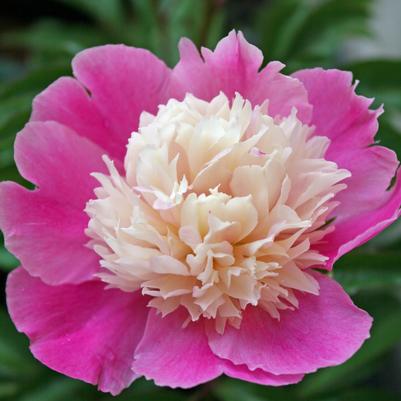
Large double rose-pink blooms. Compact plant. Midseason. Blooms best in sun but will tolerate afternoon shade. Prefers a deep, well-drained, fertile, slightly alkaline soil. Remove old foliage in fall to prevent disease. Attractive to butterflies.
[ More Information ]
|
|
|
Common Name: Peony
Double deep red flowers on compact plants. Midseason. Blooms best in full sun but will tolerate afternoon shade. Prefers a deep, well-drained, fertile, slightly alkaline soil. Remove old foliage in fall to prevent disease. Attractive to butterflies.
[ More Information ]
|
|
Common Name: Peony
Double, soft shell pink blooms. Late season. Blooms best in full sun but will tolerate afternoon shade. Prefers a deep, well-drained, fertile, slightly alkaline soil. Remove old foliage in fall to prevent disease. Attractive to butterflies.
[ More Information ]
|
|
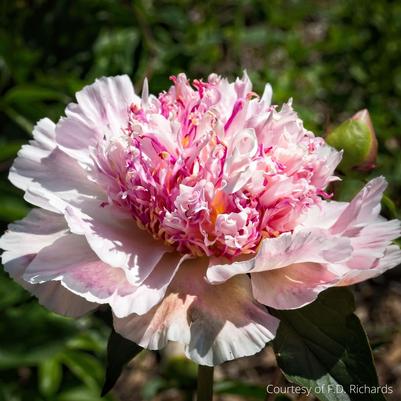
Common Name: Peony
Large double pale pink flowers that fade to white. Whirled petals. Nice fragrance. Midseason. Blooms best in full sun but will tolerate afternoon shade. Remove old foliage in fall to prevent disease. Attractive to butterflies.
[ More Information ]
|
|
|
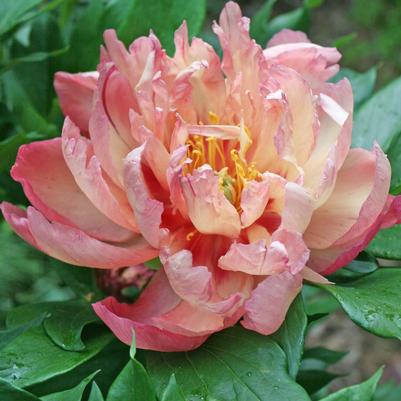
Common Name: Peony
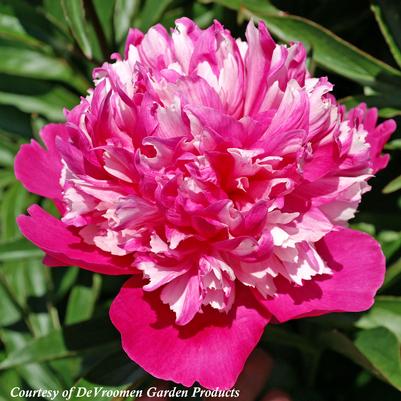
Beautiful double pink and white blooms. Early-Midseason. Blooms best in sun but will tolerate afternoon shade. Prefers a deep, well-drained, fertile, slightly alkaline soil. Remove old foliage in fall to prevent disease. Attractive to butterflies.
[ More Information ]
|
|
Common Name: Peony
Showy single red flowers with a large cluster of burnished gold stamens in the center. Midseason. Blooms best in full sun but will tolerate afternoon shade. Remove old foliage in fall to prevent disease. Attractive to butterflies.
[ More Information ]
|
|
Common Name: Dark Pink Tree Peony
Huge, deep pink blooms on woody stems characterize these lovely subshrubs that are coveted by peony lovers everywhere. Site them where they will get some afternoon shade in summer. DO NOT CUT BACK in fall, prune only lightly after bloom to shape.
[ More Information ]
|
|
|
Common Name: Light Pink Tree Peony
Huge, soft pink blooms on woody stems characterize these lovely subshrubs that are coveted by peony lovers everywhere. Site them where they will get some afternoon shade in summer. DO NOT CUT BACK in fall, prune only lightly after bloom to shape.
[ More Information ]
|
|
Common Name: Switch Grass
Selected for its glaucous blue foliage and graceful, fountain-like habit. Airy light beige flowers emerge in fall and remain persistent through the winter. Tolerant of drought and wet soils. Deer resistant.
[ More Information ]
|
|
Common Name: Switch Grass
Full plant with wide bluish-purple blades and large purplish flowerheads. Tolerant of drought and wet soils. Deer resistant. Plant Patented.
[ More Information ]
|
|
Common Name: Switch Grass
Very stiff, upright growth. Attractive metallic blue leaves turn yellow in fall. Tolerant of drought and wet soils. Deer resistant.
[ More Information ]
|
|
Common Name: Switch Grass
Upright, steel blue foliage is wider and more substantial than 'Heavy Metal'. Does not flop, even in a hurricane. Tolerant of drought and wet soils. Deer resistant.
[ More Information ]
|
|
Common Name: Switch Grass
Breaks dormancy quicker than 'Heavy Metal'. A nice blue switch grass with airy flower clusters in late summer. Tolerant of drought and wet soils. Deer resistant.
[ More Information ]
|
|
Common Name: Switch Grass
The brightest red switchgrass yet. Colors up by June and is followed by airy flowers. Very attractive. Tolerant of drought and wet soils. Deer resistant.
[ More Information ]
|
|
Common Name: Pansy
Bright, clear purple, medium sized blooms with no faces. Uniform, extra dwarf plants. Heat and cold resistant.
[ More Information ]
|
|
Common Name: Pansy
Medium sized, lavender-blue blooms with no faces. Uniform, extra dwarf plants. Heat and cold resistant.
[ More Information ]
|
|
Common Name: Pansy
Bright, clear white, medium sized blooms with no faces. Uniform, extra dwarf plants. Heat and cold resistant.
[ More Information ]
|
|
Common Name: Pansy
Bright, clear yellow, medium sized blooms with no faces. Uniform, extra dwarf plants. Heat and cold resistant.
[ More Information ]
|
|
Common Name: Pansy
Low spreading compact habit with good foliage. 1 blue blooms with a dark blue face. Exceptionally heat tolerant.
[ More Information ]
|
|
Common Name: Pansy
Low spreading compact habit with good foliage and clear violet blooms without faces. Exceptionally heat tolerant.
[ More Information ]
|
|
Common Name: Pansy
Low spreading compact habit with good foliage and light yellow flowers without faces. Exceptionally heat tolerant.
[ More Information ]
|
|
Common Name: Pansy
Low spreading compact habit with good foliage and clear light blue blooms without faces. Exceptionally heat tolerant.
[ More Information ]
|
|
Common Name: Pansy
Low spreading compact habit with good foliage and pure red flowers without faces. Exceptionally heat tolerant.
[ More Information ]
|
|
Common Name: Pansy
Low spreading compact habit with good foliage and clear yellow flowers maroon faces. Exceptionally heat tolerant.
[ More Information ]
|
|
Common Name: Pansy
Medium to large blooms are apricot with darker faces. Heat resistant and free flowering plants.
[ More Information ]
|
|
Common Name: Pansy
Nice compact habit on plants with lilac to purple blooms without faces.
[ More Information ]
|
|
Common Name: Pansy
Attractive yellow and blue blooms. Heat resistant and free flowering plants.
[ More Information ]
|
|
Common Name: Pansy
Attractive mix of colors including blue, yellow, pink, and white. Heat resistant and long blooming plants.
[ More Information ]
|
|
Common Name: Pansy
A mix of large-flowered white, blue, red, yellow and purple blooms with dark purple faces. Early to bloom in fall.
[ More Information ]
|
|
Common Name: Viola
Compact plants with 1" flowers in colors ranging from cream and yellow to blues and purples. Very floriferous.
[ More Information ]
|
|
Common Name: Poppy (Iceland)
Tissue paper-like 3"-4" single flowers in shades of white, yellow, pink, or salmon with some bicolors. Needs well-drained soil, especially in winter. Plants are evergreen in winter but go dormant in summer and resent disturbance. Drought tolerant.
[ More Information ]
|
|
Common Name: Poppy (Iceland)
Very rich flowering and long blooming orange blooms. Needs well-drained soil, especially in winter. Plants are evergreen in winter and resent disturbance. Drought tolerant. Deer resistant.
[ More Information ]
|
|
Common Name: Poppy (Iceland)
Very rich flowering yellow blooms over a long period of time. Needs well-drained soil, especially in winter. Plants are evergreen in winter and resent disturbance. Drought tolerant. Deer resistant.
[ More Information ]
|
|
|
Common Name: Poppy (Oriental)
6" scarlet blooms with ruffled edges and a purplish-black eye at the base of each petal. Coarse, hairy evergreen foliage. Needs well-drained soil, especially in winter. Plants go dormant in summer and resent disturbance.
[ More Information ]
|
|
|
Common Name: Poppy
4"-6" fire engine-red flowers surround a black eye. Coarse, hairy evergreen foliage. Needs well-drained soil, especially in winter. Plants go dormant in summer and resent disturbance. Drought tolerant. Deer resistant.
[ More Information ]
|
|
Common Name: Poppy (Oriental)
Large orange-scarlet blooms with black centers are supported by strong stems. Coarse, hairy evergreen foliage. Needs well-drained soil, especially in winter. Plants go dormant in summer and resent disturbance. Drought tolerant. Deer resistant.
[ More Information ]
|
|
Common Name: Poppy (Oriental)
Salmon-pink flowers with a black blotch at the base of each petal. Coarse, hairy evergreen foliage. Needs well-drained soil, especially in winter. Plants go dormant in summer and resent disturbance. Drought tolerant. Deer resistant.
[ More Information ]
|
|
Common Name: Poppy
30. Large, shimmery white, ruffled petals are accented by deep purple-black centers. Blooms in late spring. Nice green foliage dies back for summer but returns in fall for winter interest. Zones 3-7.
[ More Information ]
|
|
|
Common Name: Candy Lily
A wide range of bright colors and combinations are displayed on well-dranched stems. Prefers moist, well-drained soil, but tolerant of drier conditions. Upright iris-like foliage. Deer resistant.
[ More Information ]
|
|
|
Common Name: Candy Lily
A rich and exciting color mixture, including pink, orange, and purple, that is complemented by a dwarf and compact growth habit. Prefers moist, well-drained soil, but is tolerant of drier conditions. Upright iris-like foliage. Deer resistant.
[ More Information ]
|
|
|
Common Name: Italian Parsley
Dark green, flat leaf variety with pronounced flavor. The gourmet's favorite. Larval food for butterflies. Biennial. Not deer resistant. Excellent source of vitamins, iron, and calcium for people.
[ More Information ]
|
|
Common Name: Curly Parsley
Very curly, dark green foliage. Larval food for butterflies. Biennial that is best grown as an annual. Not deer resistant. Excellent source of vitamins, iron, and calcium for people.
[ More Information ]
|
|
Common Name: Boston Ivy
Vigorous, deciduous climbing vine with shiny dark green simple lobed leaves that turn to brilliant burgundy red in fall. Rapid grower, climbing by clinging tendrils. Inconspicuous white flowers are followed by dark blue fruits. A classic.
[ More Information ]
|
|
Common Name: Passion Flower
Beautiful round blue and white flowers with tentacle-like projections throughout the summer. Interesting and striking flowers on a fast growing vine. Nice deep green finger-like evergreen foliage. Attractive to butterflies. Long blooming. Native.
[ More Information ]
|
|
Common Name: Fountain Grass
Brilliant red, pink, cream and green striped foliage produces a display worthy of the Fourth. Pinkish purple foxtail blooms on 32 stems appear in late summer. Annual. NOT HARDY! Plant Patented.
[ More Information ]
|
|
Common Name: Fountain Grass
Fine textured grass that produces countless light reddish brown flowers which change to amber in fall. Bright green foliage turns beige in fall. Cut back old foliage in late winter. Identical to 'Hameln' except this one is taller. Deer resistant.
[ More Information ]
|
|
Common Name: Fountain Grass
Beautiful 4" long, silvery-pink plumes and stunning yellow fall color set this Pennisetum apart from the rest. Cut back old foliage in late winter. Deer resistant. Grow in well-drained, moderately fertile soil. Tolerant of clay soil.
[ More Information ]
|
|
Common Name: Dwarf Fountain Grass
Fine textured grass that produces countless light reddish brown flowers that change to amber in fall. Foliage turns beige in fall. Cut back old foliage in late winter. Identical to P. alopecuroides except this one is shorter. Deer resistant.
[ More Information ]
|
|
Common Name: Fountain Grass
Mounds of narrow green foliage are topped in late summer by fluffy, bottlebrush-like, tawny plumes making them look like little fountains. Cute for edging or containers. Plant patented.
[ More Information ]
|
|
Common Name: Fountain Grass
Soft pink flowers with a lovely, delicate appearance. Bright grassy green foliage turns beige in fall. Cut back old foliage in late winter. Use as a specimen or in mass plantings. Deer resistant.
[ More Information ]
|
|
Common Name: Fountain Grass
Deep green, arching foliage with rose-pink flowers throughout the season. Clump former. Bright green foliage turns beige in fall. Cut back old foliage in late winter. Deer resistant. Plant Patented.
[ More Information ]
|
|
|
Common Name: Fountain Grass
Clump forming grass which forms dense mounds of green vase-like foliage. 6"-8" panicles of long lasting, pearly white plumes with a hint of pink. Bright grassy green foliage turns beige in fall. Cut back old foliage in late winter. Deer resistant.
[ More Information ]
|
|
Common Name: Purple Fountain Grass
Striking burgundy, cascading foliage with long, narrow dark purple-red plumes. Excellent when used in large container plantings. ANNUAL! Deer resistant.
[ More Information ]
|
|
|
Common Name: Beard Tongue
Medium green, glossy foliage sets off the masses of bright scarlet red blooms that appear in mid-summer.
[ More Information ]
|
|
Common Name: Beard Tongue
Beautiful mix of colors that include pale pink, lavender, red, or purple. Native. Requires well-drained gritty or sandy soil. Tolerant of drought and coastal conditions. Attractive to butterflies and hummingbirds. Deer resistant.
[ More Information ]
|
|
Common Name: Beard Tongue
Attractive burgundy winter foliage changes to green flushed with red in summer. Evergreen. Spikes of white tubular flowers. 1996 PPA "Plant of the Year". Native. Attractive to butterflies and hummingbirds. Deer resistant.
[ More Information ]
|
|
Common Name: Beard Tongue
Spikes of vivid blue trumpets with a purple blush at the base of each flower. Requires well-drained gritty or sandy soil. Tolerant of drought and coastal conditions. Attractive to butterflies and hummingbirds. Deer resistant.
[ More Information ]
|
|
|
Common Name: Beard tongue
Spikes of brilliant purple flowers with a white throat appear in droves from July to November. Considered to be a companion to 'Red Rocks'. Requires well-drained gritty or sandy soil. Tolerant of drought and coastal conditions.
[ More Information ]
|
|
Common Name: Beard Tongue
Bright rose flowers with magenta-veined white throats. Very long blooming. Requires well-drained gritty or sandy soil. Tolerant of drought and coastal conditions. Attractive to butterflies and hummingbirds. Deer resistant.
[ More Information ]
|
|
Common Name: Pineleaf Penstemon
12-15. Profuse, orange-red tubular flowers on this long blooming native species attract hummingbirds, moths and other nectar lovers. Drought and heat tolerant. Long-lived plants become slightly woody with age. Spread 18.
[ More Information ]
|
|
|
Common Name: Beard Tongue
Brilliant yellow, tube flowers over needle-like evergreen foliage. Counterpart to the bright orange-red species, it is more compact with finer foliage. Prefers some pm shade and a bit of extra moisture. Wonderful in the rock garden or border.
[ More Information ]
|
|
Common Name: Beard Tongue
Light purple to pink flowers in May and June. Pest and disease free evergreen foliage. Requires well-drained gritty or sandy soil. Tolerant of drought and coastal conditions. Attractive to butterflies and hummingbirds. Deer resistant.
[ More Information ]
|
|
|
Common Name: Beard Tongue
24. Well-branched plants produce spikes of tubular, lavender flowers that resist fading. These dry soil plants bloom for a long season attracting hummingbirds from summer into fall.
[ More Information ]
|
|
Common Name: Beard Tongue / Rocky Mtn Pens.
Striking violet-blue flower spikes over waxy green foliage. Spreads steadily via stolons to form large clumps up to 36. A Rocky Mtn. Native. Attractive to butterflies and hummingbirds. Deer resistant.
[ More Information ]
|
|
Common Name: Beard Tongue
Deep violet-blue flower spikes appear June through August over attractive, shiny evergreen foliage. Requires well-drained gritty or sandy soil. Tolerant of drought and coastal conditions. Attractive to butterflies and hummingbirds. Deer resistant.v
[ More Information ]
|
|
|
Common Name: Beard Tongue
15. Shiny, narrow dark-green leaves set off stiff upright stems that are adorned by abundant large blue-violet blooms with light purple markings. Blooms will attract hummingbirds galore.
[ More Information ]
|
|
|
Common Name: Beardtongue
This beardtongue is distinguished with bronze-red fall foliage and tube-like dark lavender flowers with white lower lips in summer. Plant patented.
[ More Information ]
|
|
Common Name: Beard Tongue
A stunning mixture of pink, rose and purple tubular flowers with a whitish center open in succession along thin, upright stems. Plants bloom all summer. Requires well-drained gritty or sandy soil.
[ More Information ]
|
|
Common Name: Russian Sage
Spikes of violet-blue flowers over silver, serrated aromatic foliage. 1995 PPA "Plant of the Year". Shearing produces bushy growth. Tolerant of drought, alkaline soil and coastal conditions. Attractive to butterflies. Deer resistant.
[ More Information ]
|
|
Common Name: Russian Sage
Very fine textured, almost lacy, silvery aromatic foliage has an upright habit. Striking blue flowers. Shearing produces bushy growth. Tolerant of drought, alkaline soil and coastal conditions. Attractive to butterflies. Deer resistant.
[ More Information ]
|
|
Common Name: Russian Sage
Shorter, upright Perovskia that does not flop! Blue flowers are an excellent contrast for the ferny silver foliage. Tolerant of drought, alkaline soil and coastal conditions. Attractive to butterflies. Deer resistant. Plant Patented.
[ More Information ]
|
|
|
Common Name: Russian Sage
Spikes of violet-blue flowers are more erect and upright than the species, and the silver foliage is larger and less toothed. Tolerant of drought, alkaline soil and coastal conditions. Attractive to butterflies. Deer resistant.
[ More Information ]
|
|
Common Name: Fleeceflower / Tovara
Outstanding red flower spikes over medium green leaves. Eye catching. Long bloomer. Blooms of Bressingham Introduction. Does well in moist sites.
[ More Information ]
|
|
Common Name: Fleeceflower / Tovara
Vibrant foliage is splashed with burgundy, mint green, and silver. In late summer and fall, small white gypsophila-like flowers appear. Excellent. Does well in moist sites. Plant Patented.
[ More Information ]
|
|
Common Name: Fleeceflower / Tovara
Grown for its attractive cream streaked leaves with splashes of burgundy in the center. Showy sprays of tiny red seeds in the fall. To prevent self seeding remove seeds pods. Prefers moisture retentive soils. Deer resistant.
[ More Information ]
|
|
Common Name: Purple Prairie Clover
Magenta to rose-purple flowers bloom on dense1-3 spikes atop wiry stems in midsummer. This Midwestern prairie native is lovely with Black-eyed Susans and Little Bluestem.
[ More Information ]
|
|
Common Name: Ribbon Grass
Compact form that displays green and white striped foliage that emerges with a pink flush. Tolerates sun or light shade and wet or dry soil. Effective spring to fall if cut back once each growing season. Must be restrained in a garden.
[ More Information ]
|
|
Common Name: Ribbon Grass
Striped green and white foliage with a touch of pink on the new growth. Tolerates sun or light shade and wet or dry soil. Effective spring to fall if cut back once each growing season. Must be restrained in a garden. Good for soil retention.
[ More Information ]
|
|
Common Name: Carolina Phlox
Bright pink flowers in loose clusters over narrow, shiny green foliage appear for months on compact plants. An east coast native that will spread slowly to form colonies.
[ More Information ]
|
|
Common Name: Carolina Phlox
Large clusters of fragrant white flowers with deep green, shiny, mildew resistant foliage. Long blooming. Attractive to butterflies and hummingbirds. Native.
[ More Information ]
|
|
Common Name: Woodland Phlox
This outstanding selection of our East Coast native has dark-blue, fragrant flowers with very full flower petals. A great spring bloomer it can provide a big splash of blue to the woodland garden. Prefers light open shade and moist organic rich soil.
[ More Information ]
|
|
Common Name: Woodland Phlox
This native phlox produces lovely red-eyed, indigo blue blooms streaked with magenta, giving it an overall violet blue appearance. Individual plants may spread 12-20.
[ More Information ]
|
|
Common Name: Woodland Phlox
A native, wild sweet William, this phlox has loose clusters of fragrant pale blue, almost white flowers that drive the butterflies wild! Excellent as a filler between spring bulbs.
[ More Information ]
|
|
Common Name: Woodland Phlox
Green leaves are edged with a thin line of white and a hint of pink. Smoky lavender-blue blooms. Trim after flowering. Stoloniferous habit. Attractive to butterflies and hummingbirds. Deer resistant. Long blooming.
[ More Information ]
|
|
Common Name: Woodland Phlox
Bright pink blooms rise above foliage that grows only 2-4 tall, but spreads 18-24 wide, making it a nice woodland groundcover. The fragrant blossoms almost cover the foliage of this east coast native from late April through early May.
[ More Information ]
|
|
Common Name: Woodland Phlox
Fragant, light plum-purple flowers with a darker violet-purple eye are borne above small, semi-evergreen, oval leaves. Trim after flowering. Stoloniferous habit. Mildew resistant. Attractive to butterflies and hummingbirds. Deer resistant.
[ More Information ]
|
|
Common Name: Phlox
Loose clusters of lavender-pink flowers bloom in April and May over glossy green foliage. Excellent groundcover that spreads to form a colony. Cross between Phlox divaricata and P. amoena.
[ More Information ]
|
|
Common Name: Smooth Phlox
Large rose-pink flowers with a lighter white eye over mounds of smooth green, mildew free foliage. Burgundy winter color. Prefers acid, well-drained soil. Attractiv to butterflies and hummingbirds. Native.
[ More Information ]
|
|
|
Common Name: Garden or Summer Phlox
Large, fragrant violet-blue flowers with darker eyes that is the closest to 1 blue on the market. Mildew resistant foliage, however provide proper spacing to help discourage powdery mildew. Attractive to butterflies and hummingbirds.
[ More Information ]
|
|
|
Common Name: Garden Phlox
A shorter, white and pink bicolor sport of P. 'Shortwood' that will bloom at the same time, making them nice companions. It is well-branched and mildew-resistant. Plant patented.
[ More Information ]
|
|
Common Name: Garden or Summer Phlox
Fragrant bright white flowers. Highly mildew resistant. Very vigorous and sturdy. PPA "Plant of the Year" 2002. Provide proper spacing to help discourage powdery mildew. Attractive to butterflies and hummingbirds.
[ More Information ]
|
|
Common Name: Summer Phlox
Clusters of fragrant, clear pink blooms with darker eyes rise above sturdy, dark green mildew-resistant foliage. Great front of the border attention getter!
[ More Information ]
|
|
Common Name: Summer Phlox
Lightly fragrant flowers that appear white from a distance but reveal more pink colors when viewed close up. Excellent mildew resistance. Blooms of Bressingham Introduction. Plant Patented. Attractive to butterflies and hummingbirds.
[ More Information ]
|
|
Common Name: Garden or Summer Phlox
Light pink to lavender flowers with a darker pink center and a hint of white on the edge. Mildew resistant, however provide proper spacing to help discourage powdery mildew. Attractive to butterflies and hummingbirds.
[ More Information ]
|
|
Common Name: Garden or Summer Phlox
Compact profuse bloomer with 1 pink flowers and a white zone around the darker eyes. Mildew resistant, however provide proper spacing to help discourage powdery mildew. Attractive to butterflies and hummingbirds.
[ More Information ]
|
|
Common Name: Garden or Summer Phlox
The darkest purple phlox that also boasts excellent mildew resistance. Provide proper spacing to help discourage powdery mildew. Attractive to butterflies and hummingbirds. Can be grown under black walnut trees.
[ More Information ]
|
|
Common Name: Garden or Summer Phlox
Dwarf selection with large heads of dark purple flowers on 22" stems. Compact habit. Provide proper spacing to help discourage powdery mildew. Attractive to butterflies and hummingbirds. Can be grown under black walnut trees.
[ More Information ]
|
|
Common Name: Garden or Summer Phlox
Deep rosy pink, lightly fragrant flowers are supported by clean foliage throughout the summer. A must for the gardener who demands clean foliage without spraying. Excellent companion to 'David'. Attractive to butterflies and hummingbirds.
[ More Information ]
|
|
Common Name: Summer Phlox
20. Extremely mildew-resistant foliage on compact plants and cheery red blooms make this one perfect for the gardener who loves garden phlox but hasn't had success with older disease prone and floppy varieties. Zones 4-8.
[ More Information ]
|
|
Common Name: Summer Phlox
Naturally dwarf, disease-resistant plants have upright clusters of large, fragrant white blooms with a deep pink eye. Blooms July to August.
[ More Information ]
|
|
Common Name: Summer Phlox
Dwarf variety that boasts clear white flowers with light green centers on 22" stems. Mildew resistant foliage, however provide proper spacing to help discourage powdery mildew. Attractive to butterflies and hummingbirds.
[ More Information ]
|
|
|
Common Name: Prairie phlox
Cluster of bright pink, fragrant blooms light up the spring garden. Spreads by underground runners to form a colony. Prefers moist, well-drained soil.
[ More Information ]
|
|
Common Name: Creeping Woodland Phlox
Clusters of bright blue flowers over evergreen foliage. Excellent spreading groundcover for woodland settings. Fragrant and long blooming. Native. Drought tolerant. Attractive to butterflies and hummingbirds.
[ More Information ]
|
|
Common Name: Creeping Woodland Phlox
Clusters of bright pink flowers over evergreen foliage. Excellent spreading groundcover for woodland settings. Fragrant and long blooming. Native. Drought tolerant. Attractive to butterflies and hummingbirds.
[ More Information ]
|
|
Common Name: Creeping Woodland Phlox
Clusters of purple-blue flowers over evergreen foliage. Excellent spreading groundcover for woodland settings. Fragrant and long blooming. Native. Drought tolerant. Attractive to butterflies and hummingbirds.
[ More Information ]
|
|
Common Name: Creeping Phlox
Clear white blooms with pinkish red eyes smother the dark green needle-like foliage in early spring. Rapidly spreading foliage makes an excellent groundcover, particularly for sunny, dry areas. Native.
[ More Information ]
|
|
Common Name: Creeping Phlox
Unique bicolor whose star-shaped blooms are white with a pink stripe down each petal. Rapidly spreading, needle-like evergreen foliage. Tolerant of drought and coastal conditions. Attractive to butterflies and hummingbirds. Deer resistant. Native.
[ More Information ]
|
|
Common Name: Creeping Phlox
Soft pink blooms have coral pink centers. Spreading, needle-like foliage is evergreen. Excellent for the front of the border or rock gardens. Spread 12-18.
[ More Information ]
|
|
Common Name: Creeping Phlox
A taller, prolific blooming, white flowered creeping phlox that has needle-like, light green leaves and a vigorous growth habit. Tolerant of drought and coastal conditions. Attractive to butterflies and hummingbirds. Deer resistant. Plant Patented.
[ More Information ]
|
|
Common Name: Creeping Phlox
Evergreen foliage is covered with brilliant pink blooms with darker centers in early spring. A long bloomer that makes an excellent groundcover for sunny, dry sites. Spread 18"-24".
[ More Information ]
|
|
Common Name: Creeping Phlox
Clear lavender-blue star-shaped flowers. Rapidly spreading, needle-like evergreen foliage is among the best of the creeping phlox available. Tolerant of drought and coastal conditions. Attractive to butterflies and hummingbirds. Deer resistant.
[ More Information ]
|
|
Common Name: Creeping Phlox
Rose-pink star-shaped flowers. Rapidly spreading, needle-like evergreen foliage is the best of the creeping phlox available. Tolerant of drought and coastal conditions. Attractive to butterflies and hummingbirds. Deer resistant. Native.
[ More Information ]
|
|
Common Name: Creeping Phlox
Fragrant rosy pink blooms with deeply cut petals cover needle-like, evergreen foliage for several weeks in spring. Tolerant of drought and coastal conditions. Attractive to butterflies and hummingbirds. Deer resistant. Native.
[ More Information ]
|
|
Common Name: Creeping Phlox
4". Evergreen foliage is covered with a blanket of light purple blooms in early spring. An excellent groundcover for sunny, dry sites.
[ More Information ]
|
|
Common Name: Moss Pinks
Blooming early to mid-spring, this evergreen groundcover has deep rose colored blooms with darker centers.
[ More Information ]
|
|
Common Name: Creeping Phlox
Bright red flowers are the reddest of the creeping phlox. Rapidly spreading, needle-like evergreen foliage. Tolerant of drought and coastal conditions. Attractive to butterflies and hummingbirds. Deer resistant. Native.
[ More Information ]
|
|
Common Name: Creeping Phlox
Bright white flowers on foliage that is denser than other varieties. Rapidly spreading, needle-like evergreen foliage. Tolerant of drought and coastal conditions. Attractive to butterflies and hummingbirds. Deer resistant. Native.
[ More Information ]
|
|
Common Name: Summer Phlox
White flowers with a hint of pink at their centers are borne over highly mildew resistant, glossy green foliage. A hybrid of P. maculata and P. glaberrima that starts blooming months earlier and much later than other P. maculatas. Spreading habit.
[ More Information ]
|
|
|
Common Name: Obedience Plant
Uniform, compact plants have deep green leaves and snowy white blooms. Abundant blooms and self-cleaning of old flowers have made this one an award winner.
[ More Information ]
|
|
Common Name: Obedient Plant
Pure white snapdragon-like flowers over deep green glossy foliage. An aptly named cultivar in that it is clump forming, not spreading. It also boasts excellent branching and nice rebloom. Plant Patented. Attractive to butterflies and hummingbirds.
[ More Information ]
|
|
Common Name: Obedient Plant
Tall spikes of rose-lavender, snapdragon-like flowers. Unfortunately, the flowers are not 1 red. Spreads rapidly. Thrives in moist to wet, slightly acidic soil. Can tolerate clay soil. Attractive to butterflies and hummingbirds.
[ More Information ]
|
|
|
Common Name: Obedient Plant
Spikes of white snapdragon-like blooms. Spreads rapidly. Thrives in moist to wet, slightly acidic soil. Can tolerate clay soil. Attractive to butterflies and hummingbirds. Long blooming.
[ More Information ]
|
|
Common Name: Obedient Plant
Bright pink flowers over attractive foliage that is edged in creamy white. Clump former that does not run. Thrives in moist to wet, slightly acidic soil. Can tolerate clay soil. Attractive to butterflies and hummingbirds. Long blooming.
[ More Information ]
|
|
Common Name: Obedient Plant
Spikes of deep pink snapdragon-like blooms. Spreads rapidly. Thrives in moist to wet, slightly acidic soil. Can tolerate clay soil. Attractive to butterflies and hummingbirds. Long blooming.
[ More Information ]
|
|
|
Common Name: Balloon Flower
Puffy balloon-shaped buds open to delicate star-shaped white blossoms with deep blue veins. Compact and long-blooming. Bluish-green foliage. Drought tolerant and will not tolerate wet soil. Late to break dormancy in spring. Deer resistant.
[ More Information ]
|
|
Common Name: Balloon Flower
Puffy balloon-shaped flower buds open to reveal beautiful blue star-shaped blooms. Bluish-green foliage. Drought tolerant and will not tolerate wet soil. Late to break dormancy in spring. Deer resistant. Attractive to butterflies.
[ More Information ]
|
|
Common Name: Balloon Flower
Puffy balloon-shaped flower buds open to reveal beautiful pink star-shaped blooms. Bluish-green foliage. Drought tolerant and will not tolerate wet soil. Late to break dormancy in spring. Deer resistant. Attractive to butterflies.
[ More Information ]
|
|
Common Name: Balloon Flower
Puffy balloon-shaped flower buds open to reveal beautiful white star-shaped blooms. Bluish-green foliage. Drought tolerant and will not tolerate wet soil. Late to break dormancy in spring. Deer resistant. Attractive to butterflies.
[ More Information ]
|
|
Common Name: Balloon Flower
Puffy balloon-shaped flower buds open to reveal rich violet-blue, double flowers. Bluish-green foliage. Drought tolerant and will not tolerate wet soil. Late to break dormancy in spring. Deer resistant. Attractive to butterflies.
[ More Information ]
|
|
Common Name: Balloon Flower
Charming dwarf plants are covered with starry clear blue bells. A floriferous, sturdy and pest-free variety. Very dwarf habit. Dark green foliage. Deer resistant. Attractive to butterflies.
[ More Information ]
|
|
Common Name: Balloon Flower
Dwarf variety with large, clear blue, star-shaped flowers. Good heat tolerance. Bluish-green foliage. Drought tolerant and will not tolerate wet soil. Late to break dormancy in spring. Deer resistant. Attractive to butterflies.
[ More Information ]
|
|
Common Name: Mayapple
Native wildflowers with bold, deeply lobed, light green palmate leaves. Nodding white cup-shaped flowers tucked under the foliage and are followed by yellowish fruits. Summer dormant. Highly toxic if ingested. Deer resistant.
[ More Information ]
|
|
|
Common Name: Jacob's Ladder
Dwarf variety with violet-blue flowers and a yellow eye. Finely divided foliage with leaflets arranged in horizontal pairs, resembling a ladder. Long blooming if deadheaded regularly. Attractive to butterflies.
[ More Information ]
|
|
Common Name: Jacob's Ladder
20. With double divided leaves that resemble fern fronds and fluffy clusters of white flowers, this one is a show-stopper in the early summer garden. Foliage remains attractive through the season. Zones 3-8.
[ More Information ]
|
|
Common Name: Jacob's Ladder
Lavender-blue flower clusters. Finely divided foliage with leaflets arranged in horizontal pairs, resembling a ladder. Native species that performs better in our heat and humidity. Long blooming if deadheaded regularly.
[ More Information ]
|
|
Common Name: Jacob's Ladder
Beautifully variegated green, white, and pink foliage is especially tough and so is the plant! Unlike some other variegated forms on the market, this Polemonium really thrives, even in heat.
[ More Information ]
|
|
Common Name: Jacob's Ladder
14. A sport of 'Stairway to Heaven', this one has brighter white variegation, a nice mounding habit, and holds up well to the heat. Light silvery blue flowers in spring. Native variety. Plant patented. Zones 3-8.
[ More Information ]
|
|
|
Common Name: Jacob's Ladder
Very compact Polemonium with blue flowers. Finely divided foliage with leaflets arranged in horizontal pairs, resembling a ladder. Long blooming if deadheaded regularly. Attractive to butterflies.
[ More Information ]
|
|
Common Name: Jacob's Ladder
Large fragrant, blue flower clusters on sturdy stems. Finely divided foliage with leaflets arranged in horizontal pairs, resembling a ladder. Long blooming if deadheaded regularly. Attractive to butterflies.
[ More Information ]
|
|
Common Name: Jacob's Ladder
Clusters of large purple-blue 1" flowers are borne on dark stems over foliage that is reddish purple from winter until early summer. Reblooms if deadheaded. Attractive to butterflies. Delicate looking plants for cool, moist, humus-rich soil.
[ More Information ]
|
|
Common Name: Solomon's Seal
Variegated leaves with creamy-white edges are borne on stems tinged with maroon. White bell-shaped flowers are borne in leaf axils. Lovely golden fall color. Prefers humus-rich soil with plenty of moisture, but is drought tolerant once established.
[ More Information ]
|
|
|
Common Name: Silver Lace Vine
Twining vine with profuse fragrant white flowers cover that are borne in long erect clusters. Vigorous. Deer resistant.
[ More Information ]
|
|
Common Name: Silver Lace Vine
Sparkling golden-leaved sport of P. aubertii that also displays red stems and fragrant, foamy white flowers. Slower growing than the species. Deer resistant.
[ More Information ]
|
|
Common Name: Christmas Fern
Deep green leathery lance-shaped leaflets prefer moist, semi-shade although they can tolerate some dryness. Can also tolerate deep shade. Native. Evergreen.
[ More Information ]
|
|
Common Name: Western Sword Fern
Dark green sword shaped fronds take on a vase-shaped appearance. Fast grower in spring. Prefers moist, well-drained soil. Evergreen.
[ More Information ]
|
|
Common Name: Shiny Holly
Wonderful deep green foliage is so shiny that it appears plastic. The emerging fronds are copper-colored as they unfurl. Prefers moist well-drained soil. Evergreen.
[ More Information ]
|
|
Common Name: Tassel Fern
Striking fern that forms rounded rosettes of coarse textured glossy, dark green fronds. Prefers acid soils. Evergreen. Deer resistant.
[ More Information ]
|
|
Common Name: Soft Needle Fern
Fronds of shiny green leaflets with a rusty brown center stem unfurl from unique fiddleheads in early spring. Evergreen. Deer resistant.
[ More Information ]
|
|
Common Name: Korean Rock Fern
Compact, stiff, leathery dark green fronds with darker stems. Grows in a neat rosette. Prefers shade and good drainage. Semi-evergreen. Deer resistant.
[ More Information ]
|
|
Common Name: White Star Creeper
Deep green rounded foliage spreads by multiple branched stems above the ground. A profusion of starry white flowers in spring, followed by globular, reddish purple fruit in autumn, attracting birds.
[ More Information ]
|
|
Common Name: Little Star Creeper
Dainty green leaves that form a low carpet of green that is bejeweled with tiny blue stars from spring through summer. Wonderful around pavers, hanging over a wall or filling in around rocks and shrubs in the alpine garden.
[ More Information ]
|
|
Common Name: Star Creeper
Small green leaf creeper which spreads on top and underground to form a tight carpet. Deep violet blue flowers bloom spring through fall. Perfect for patios, walkways and lawn substitution.
[ More Information ]
|
|
Common Name: English Primrose
Clusters of soft yellow, five-petaled blooms appear in mid-- to late spring over crinkled soft-green rosettes of leaves. Classic cottage garden favorite!
[ More Information ]
|
|
|
Common Name: Lungwort
10". Compact plants with deep green, unspotted foliage produce wonderful gentian blue blooms that make a lovely contrast to spring bulbs.
[ More Information ]
|
|
Common Name: Lungwort
Vigorous silver leaves with apple-green coloring and violet-blue flowers. Requires cool, moist well-drained soil. Cannot tolerate direct sun. Reputed to be slug and deer resistant. Can be grown under black walnut trees.
[ More Information ]
|
|
Common Name: Lungwort
Beautiful silver foliage boasts violet flowers. Leaves emerge green and then turn to nearly solid silver. Excellent variety. Requires cool, moist well-drained soil. Cannot tolerate direct sun. Reputed to be slug and deer resistant.
[ More Information ]
|