Ferns

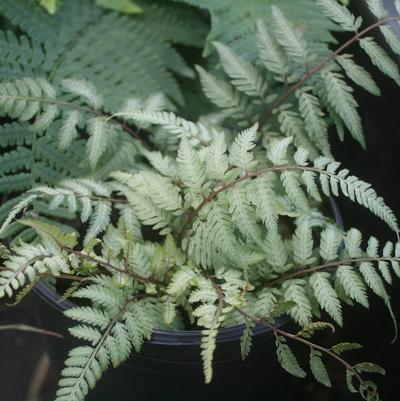
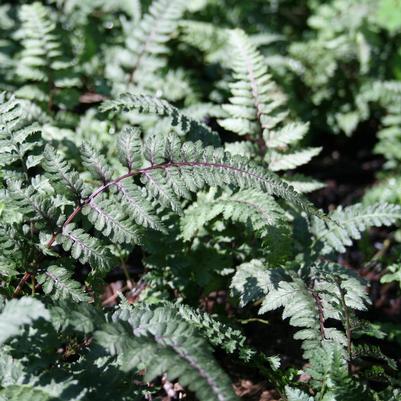
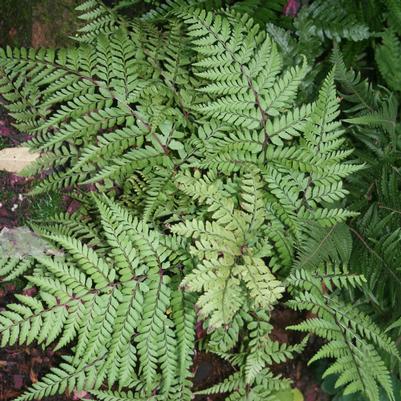
Ferns are classic favorites for shade and woodland areas.  Most are deer resistant and some will grow in sun if they receive ample moisture. We have a wide variety of ferns, both native and otherwise, many of which are evergreen or semi-evergreen. Most ferns prefer moist soil, but there are several that are drought tolerant once established.  Ferns are best planted in fall or in spring after they have broken dormancy.  Old fronds may be removed in early spring before the new growth appears.
Select Plant Type:
Botanical Name     Common Name
A B C D E F-G H I J-L M-O P Q R S T U-Z ALL
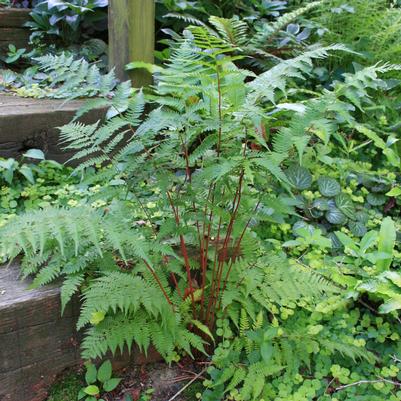
Polystichum acrostichoides
Common Name: Christmas Fern
Deep green, leathery lance-shaped leaflets on narrow fronds. Prefers moist, semi-shade although it can tolerate some dryness. Can also tolerate deep shade. Native. Evergreen.

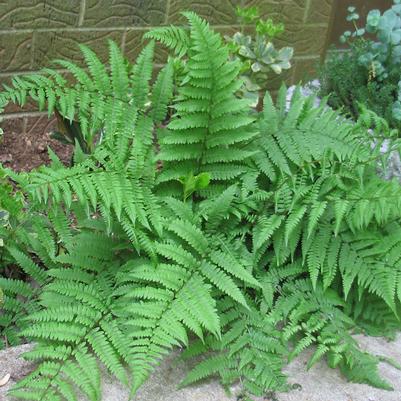
Polystichum munitum
Common Name: Western Sword Fern
Dark green, leathery sword shaped fronds are arranged in a vsed shape. Robust plants can handle difficult soil and hot dry weather, once established. Fast grower in spring. Prefers moist, well-drained soil. Evergreen.

Polystichum polyblepharum
Common Name: Tassel Fern
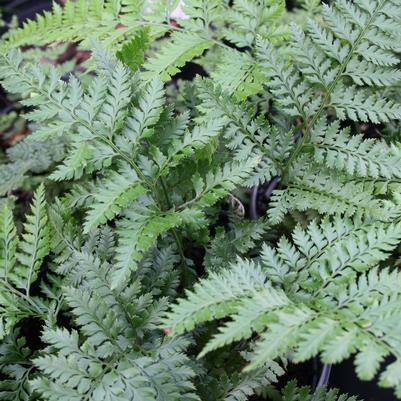
Striking fern that forms rounded rosettes of coarse textured glossy, dark green fronds. Has strong presence in the garden - distinctive. Prefers acid soils. Evergreen. Deer resistant.

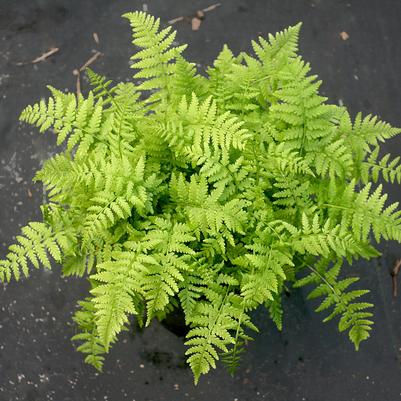
Polystichum setiferum
Common Name: Soft Shield Fern
A soft-textured fern with numerous shiny, grass green, scaly fronds with bristled edges. Prefers humus-rich, moist, but not wet soil. Evergreen.

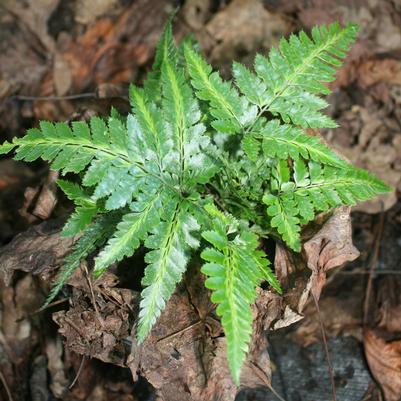
Polystichum tsus-simense
Common Name: Korean Rock Fern
Compact, stiff, leathery dark green fronds with darker stems. Grows in a neat rosette. Prefers shade and good drainage. Semi-evergreen. Deer resistant.